Coachella, CA & Riverside County
How to Document Fire Damage for Insurance
The claim is decided on the file, and the file is built on the first day. Photograph the scene before anything is moved, list the contents room by room, and keep every receipt — that is the whole job.
The claim is decided on the file, and the file is built on the first day. Photograph the scene before anything is moved or cleaned, list the contents room by room, and keep every receipt — that is the whole job, and it is the job that decides how the claim goes, because the insurer decides on the file, and the file is what you made of it. This post explains what to photograph, what to list, and what to keep, and in what order.
The provider adds to the file at every visit: the assessment, the photographs, the removal list, the moisture readings, the scope that was agreed before the work started. Those records go to you for your files and your insurance claim, and they are what the claim is built on. The provider cannot decide whether your loss is covered — only your insurer can — but the provider can make sure the record is complete, and a complete record is what makes a claim move.
Photograph the Scene First
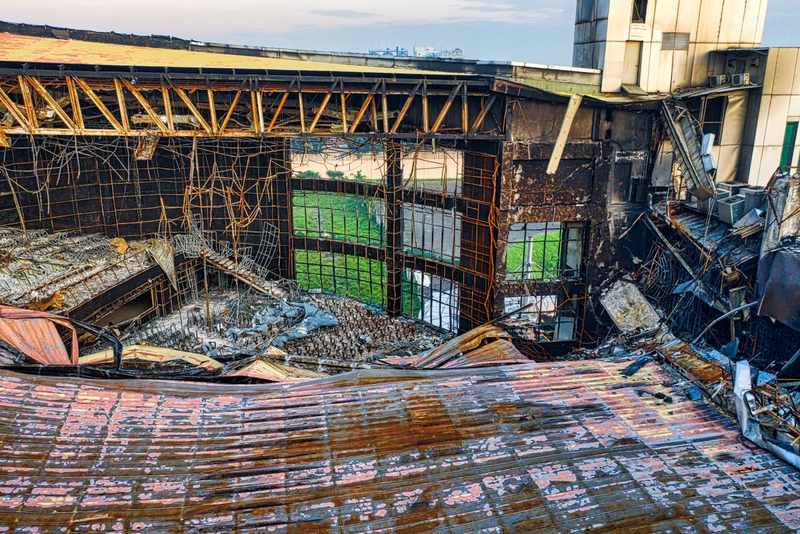
Photograph every room, every damaged item, and every surface, before anything is moved or cleaned. Photograph the rooms that look untouched too, because smoke travels further than flames, and a room that looks clean can still carry a fine soot film and a smell that matters for the claim. Take video as well as photographs, and narrate as you go — which room it is, what you are seeing, what the fire touched.
Photograph the outside of the house as well: broken windows, roof damage, water stains on the walls, the yard where the hoses ran. Photograph the contents where they sit, before they are packed out, and photograph anything that has to be thrown away before it goes. What feels like rubbish on the first day is often the evidence the claim needs on the thirtieth, and a photograph taken on the day is worth more than a description written weeks later.
Keep the originals and a backup copy, and keep the file together — the photographs, the inventory, the claim number, the receipts, and the names and numbers of everyone you speak to. The provider photographs the damage at every visit too, and those photographs go into the file alongside yours, so the record is the damage as it was, not as it was after the cleanup started.
List the Contents Room by Room
Go through the house room by room and list what was damaged, where it was, and what condition it was in before the fire. Be specific — the make and model of an appliance, the age of a television, the brand of a mattress — because the claim is valued item by item, and a specific list is worth more than a general one. Do not guess at values you do not know; write what you know and leave the rest blank.
The provider lists and photographs every damaged item during the pack-out, and that list goes into the file alongside yours. If the two lists differ, the photographs decide it, which is another reason to photograph everything before anything is moved. Keep a copy of the provider's list, and check it against your own — if something is missing, say so on the day, not weeks later, because the list is hardest to correct once the contents have left the house.
Do not throw anything away without photographing it first, and do not start cleaning before the adjuster has seen the damage, unless the provider tells you the cleaning cannot wait. A complete list is the difference between a claim that moves and a claim that stalls, and the list is built on the day, room by room, item by item.
Keep Every Receipt
Keep every receipt, from the first visit to the last: the board-up, the drying, the cleaning, the removal, the repair. Keep the receipts for emergency spending too — the hotel, the meals, the clothing you had to buy because yours was in the house. Every receipt goes into the claim file, and every receipt is a cost the claim can see.
Keep the receipts in the same place as the photographs and the inventory, and keep the originals and a backup copy. If a receipt is for something the insurer needs to see, a photograph of it is better than a memory of it, and a file with the receipts is easier to read than a bag of loose paper. The provider's invoices go into the file too, and the provider will give you copies of everything — the scope, the readings, the removal list — so the file is complete.
Do not agree to a settlement before the full extent of the damage is known, and do not sign anything you do not understand. The claim takes time, and the file you keep is what makes it go smoothly. If the insurer disputes part of the claim, the record is your answer — photographs taken on the day, the removal list, and the receipts.
The Claim Number and the Names
Get the claim number in writing, and write down the name and number of everyone you speak to. The claim number is the thread the whole file hangs on, and it is worth keeping somewhere you will not lose it. Write down the date of every call, what was said, and what was agreed, because the file is built on facts and the facts are what you wrote down on the day.
Keep the claim number with the photographs, the inventory, and every receipt, and keep the originals and a backup copy. If the insurer asks for something you do not have, say so plainly and say when you can get it. Do not guess, do not reconstruct from memory, and do not agree to a number you are not sure about. The claim is decided on the file, and the file is what you built.
Ask what the insurer needs from you and when, and write the answer down. Some insurers want photographs before any cleanup, some want the adjuster's visit first, and some will tell you to start the emergency work and send the record after. The provider will not clean anything before the adjuster has seen it unless the cleaning cannot wait, and the provider will photograph the damage before anything is moved, so the record exists either way.
Walking the Adjuster Through the File
The adjuster will visit, walk the property, and read the file. Be there if you can, and walk the property with them, because you know what was in each room and what each item was worth. Show them the photographs from the day, the inventory, and the receipts, and answer plainly when they ask what happened, when it happened, and what you have done since.
The provider will be there to answer questions about the work — what was cleaned, what was removed, and why — because the provider's records are the file the adjuster reads. The provider will not tell the adjuster what the claim is worth, and will not tell you whether your loss is covered, because those are the insurer's decisions. What the provider can do is make sure the record is complete, and the record is what the claim is decided on.
If the adjuster asks for something you do not have, say so plainly and say when you can get it. Do not guess, do not reconstruct from memory, and do not agree to a number you are not sure about. The claim is decided on the file, and the file is what you built — the photographs, the inventory, the receipts, and the provider's record. A complete file is the strongest thing you can bring to the adjuster's visit.
Documenting Fire Damage for Insurance, in Order
- Photograph the scene — Photograph every room before anything is moved or cleaned, where it is safe to do so.
- List the contents — Go through the house room by room and list what was damaged, where it was, and what it was worth.
- Keep every receipt — Every receipt goes into the claim file, from the first visit to the last.
- Keep the claim number — Get the claim number in writing, and write down the name and number of everyone you speak to.
- Walk with the adjuster — Be there for the adjuster's visit and walk the property with them.
Mistakes That Weaken the File
- Cleaning or throwing things away before they are photographed
- Reconstructing the inventory from memory weeks later
- Losing receipts for the cleanup and repair
- Not writing down the claim number and the names of everyone you speak to
- Agreeing a settlement before the full damage is known
For help with this in Coachella, see Structural Fire Damage Repair in Coachella — or go back to the Coachella fire damage restoration home page.
Frequently Asked Questions
What should I photograph first?
Every room, every damaged item, and every surface, before anything is moved or cleaned. Photograph the rooms that look untouched too, because smoke travels further than flames.
What should the list include?
What was damaged, where it was, and what condition it was in before the fire. Be specific — the make and model, the age, the brand — because the claim is valued item by item.
What receipts should I keep?
Every receipt, from the first visit to the last, and the receipts for emergency spending too — the hotel, the meals, the clothing you had to buy.
What if the adjuster asks for something I do not have?
Say so plainly and say when you can get it. Do not guess, and do not agree to a number you are not sure about.