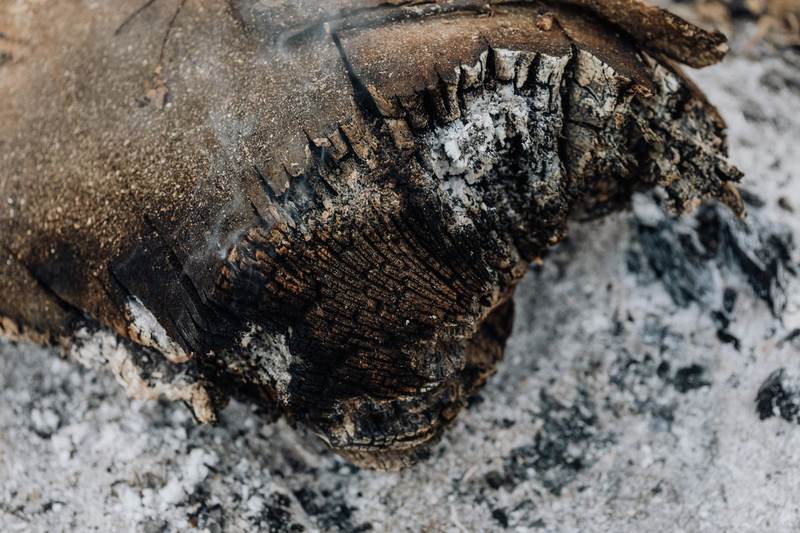
How to Remove Smoke Smell After a Fire
How to remove smoke smell after a fire in Coachella — where the smell hides, why it lingers, and what actually clears it.
Read Article →
Coachella, CA & Riverside County
Smoke smell hides in anything porous — fabric, timber, drywall and insulation — and ordinary cleaning leaves it behind. Call (561) 566-7293 and say which rooms still smell and whether the smell comes back when a room warms up. That tells the provider where the smell lives, and what it will take to treat it at the source.
The fire is out, the soot is cleaned, the walls are painted — and the smell is still there. It comes back strongest on a hot afternoon, when a room warms up and the smell rises out of the fabrics, the drywall and the timber. That is because smoke smell is not a smell in the air. It is a residue locked into porous material, and it will keep returning until the material that holds it is treated or removed. Air fresheners, candles and household cleaners cannot reach it, because they work on the air, and the smell does not live in the air.
Smoke odour removal starts with the source, not with a machine. Charred and soot-soaked material is identified and removed first, because no treatment works while the source stays in the room. Then the porous material that can be saved is treated — thermal fogging, hydroxyl treatment, and duct cleaning where the smoke travelled through the air system. The work is tested with the room closed up, because a room that smells fine with the windows open and the fans running is not a room that is clean.
The work starts with finding where the smell lives. The provider walks the home with the rooms closed up, because a room that has been aired out will not tell the truth, and notes which rooms smell, which materials hold the smell, and whether the ductwork carries it. Soft furnishings, curtains, carpets and clothing are checked separately from the structure, because a sofa can hold a smell that the walls do not, and the treatment for a sofa is not the treatment for a wall.
Treatment runs in order: source removal first, then cleaning, then fogging and hydroxyl treatment for the porous material that remains, then duct cleaning where the smoke travelled through the air system. Ozone is used with care — it is a strong oxidiser, and the provider will tell you when it is used, what it does, and why the room must be empty while it runs. Sealing is the last step, not the first: an odour-blocking primer goes on only after the smell has been treated, because sealing over a smell that is still there only traps it for later.
Coachella's heat makes smoke odour worse than it would be in a cooler place. A room that smells faintly in the morning can smell strongly by the afternoon, because the heat pulls the smell out of the porous material — the drywall, the timber, the fabrics — and the smell rises with the warm air. That is why the provider tests with the rooms closed up on a warm day: a room that passes the test on a cool morning can fail it by the afternoon, and the provider would rather find that out during the treatment than after the sign-off.
The valley's dust adds a second problem. Dust settles on every surface, and soot settles with it, so a home that has been open after a fire — broken windows, a hole in the roof — takes in dust that carries the smell deeper into the soft furnishings. The provider cleans the soot first, treats the smell second, and keeps the home closed while the treatment runs, because a home that is open to the desert wind is a home that keeps taking in the very thing the treatment is trying to remove.
The first visit is mostly smelling and recording. The provider walks the home with the rooms closed up, notes which rooms smell and which materials hold the smell, and checks the ductwork separately — because a duct full of soot will keep pushing smell back into clean rooms. Contents that hold the smell are listed: some can be treated, some need specialist cleaning, and some cannot be saved, which is recorded for the claim rather than guessed at.
Treatment itself runs over several visits. Source removal comes first, then cleaning, then fogging and hydroxyl treatment, then duct cleaning, and the closed-room test at the end — the room is shut up, left for a day, and opened again to see whether the smell is really gone or only masked. If the smell is still there, the treatment is repeated, and the provider will say so plainly rather than signing the room off. The test decides, not the calendar.
The smell is treated at its source, in order. Masking it is not treating it, and sealing over it only traps it.
Fire Damage Restoration work rarely stands alone. These services run alongside this one on most Coachella jobs.
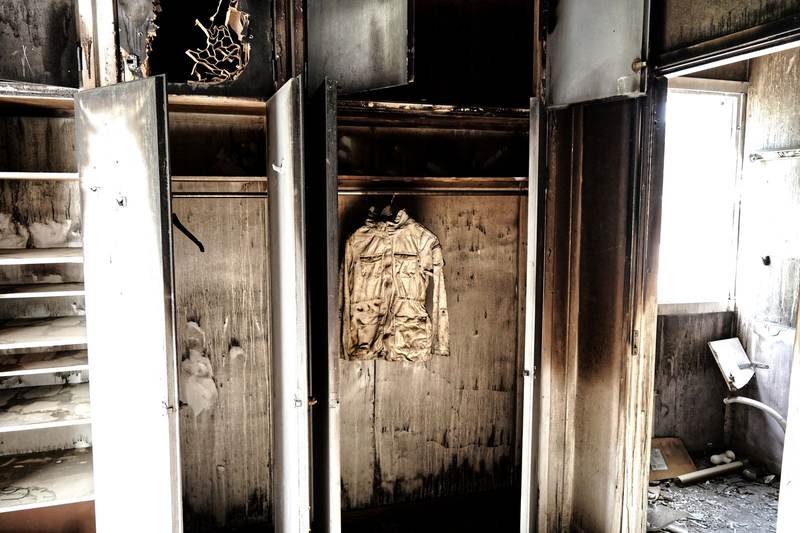
Smoke drifts far beyond the burned room, leaving an acidic soot film on every surface it touches. This service cleans everything the smoke reached.
Learn More →
Hose water soaks into floors, ceilings and insulation, and it keeps doing damage if it is left. It is extracted and dried until readings confirm it.
Learn More →
Wildfire smoke enters homes miles from the flames. Smoke infiltration, HVAC filter and duct cleaning, and ash and particulate cleanup.
Learn More →Plain guides that explain the work behind this service, so you know what to expect before the provider arrives.
How to remove smoke smell after a fire in Coachella — where the smell hides, why it lingers, and what actually clears it.
Read Article →
Smoke damage in HVAC ducts in Coachella — what to check, why the vents stay sealed, and how the provider cleans the ducts.
Read Article →
Wildfire smoke damage preparation in Coachella — how to ready your home before smoke season, seal the gaps, and protect the air inside.
Read Article →Back to the Coachella fire damage home page for the full list of services.
Because the smell is locked into porous material — fabrics, drywall, timber and insulation — and surface cleaning does not reach it. The smell returns when a room warms up, because the heat pulls it out of the material. It needs treatment at its source, not on the surface.
No. Air fresheners mask the smell for an hour or two, and candles do the same. They work on the air, and the smell lives in the material. The only thing that removes it is treating the material that holds it, or removing the material that cannot be treated.
Ozone is a strong oxidiser, and it is used with care — the room must be empty while it runs, and the provider will tell you when it is used and why. It is one tool among several, not the whole treatment, and the provider decides whether it is needed for your home.
The closed-room test decides. The room is shut up, left for a day, and opened again. If the smell is still there, the treatment is repeated. A room that smells fine with the windows open and the fans running is not a room that is clean.
Yes, where the smoke travelled through the air system. A duct full of soot will keep pushing smell back into clean rooms, so the ducts are cleaned as part of the treatment, not as an extra.
Call to describe the fire damage restoration and get connected with a local provider.
(561) 566-7293