Board-Up After a Fire: First Steps in Coachella
Board-up after a fire in Coachella — first steps to secure your home, what the provider boards and tarps, and why an open house costs more.
Read Article →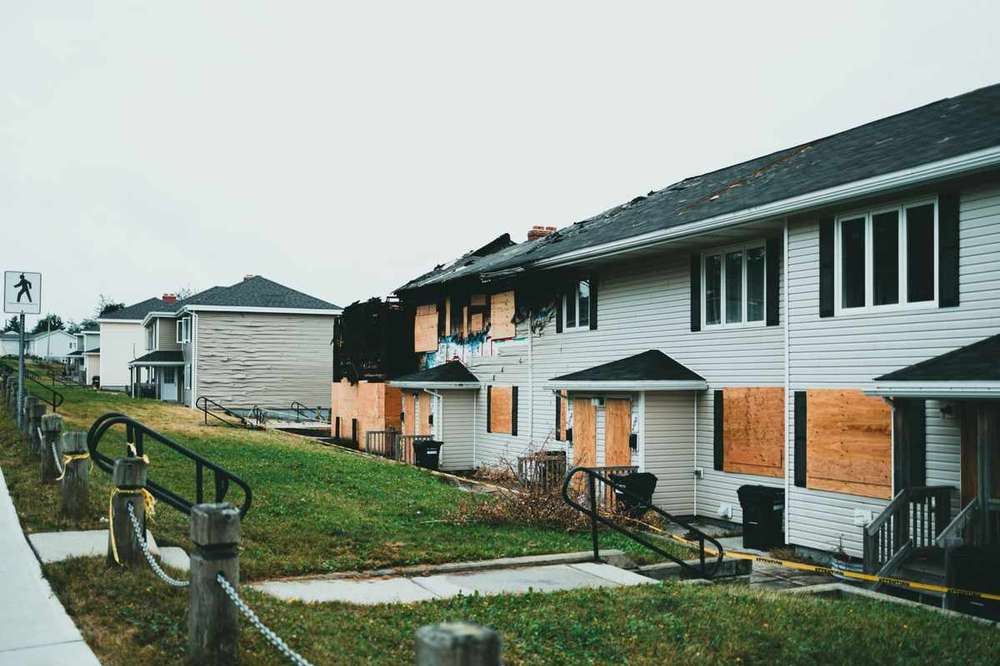
Coachella, CA & Riverside County
After the fire is out, the property is open to weather, animals and trespass — and every day it stays open, the loss grows. Call (561) 566-7293 and say which windows and doors are broken and whether the roof is open. That decides what boards and tarps are loaded, and the securing usually happens on the first visit.
A fire-damaged home in Coachella is an open home. Windows are broken, doors are damaged or missing, and the roof may have holes where the fire burned through or where the firefighters opened it up. Every opening lets in the next thing that can hurt the house: the desert wind and dust, a sudden rainstorm, animals looking for shelter, and anyone who walks past and sees an empty, open building. In the Coachella Valley, the next rainstorm is often the same week, and the heat and dust do not wait for anyone.
Board-up and tarping come first, before any cleaning, because cleaning a home that is still open is work that has to be done twice. The provider boards up broken windows and doors, tarps damaged roof sections, and secures the property so the rest of the job — soot and smoke cleanup, water extraction, drying, repair — can happen inside a building that is weathertight. Insurers expect a homeowner to take reasonable steps to prevent further damage after a fire, and an unsecured property is a problem for the claim as well as for the house.
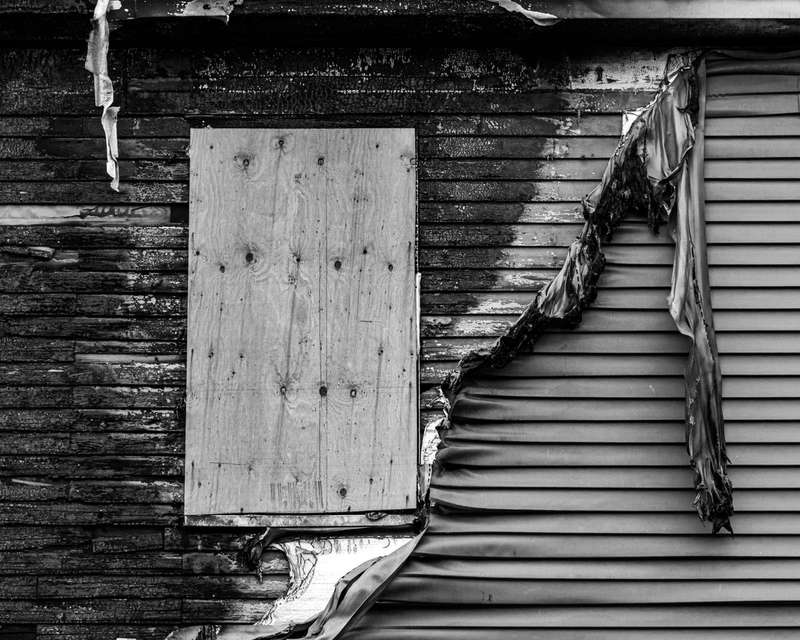
The work starts with a walk around the outside of the property, and the provider photographs every opening before anything is covered — because the photographs are the record the insurer reads, and a boarded window that was never photographed is a window the claim cannot see. Broken windows are measured and boarded with plywood cut to fit, fixed so the board cannot be pulled off from outside. Doors that are damaged are boarded the same way, and doors that still close are secured so they stay shut.
Roof tarping is the part of the job that needs care, because a damaged roof is dangerous to climb on. The provider tarps from the outside where it is safe to do so, covering the damaged sections with heavy tarps fixed so the desert wind cannot lift them, and the tarps stay on until the roof is repaired. Where the damage is extensive, or where the property needs more than boards and tarps, the provider will say so plainly and talk through what temporary fencing or extra securing is needed.
Coachella's housing makes board-up a particular job. The older farmworker housing and mobile homes on the east side of the city have single-pane windows and lightweight doors, and a fire in a home like that can leave the whole building open — every window broken, the door gone, the roof open to the sky. The provider boards what is there, and the boarding is done to hold: plywood cut to fit, fixed so it cannot be pulled off from outside, because a mobile home that is open is a mobile home that will be stripped.
West of the older streets, the newer subdivisions and resort-area properties have larger windows and sliding doors, and a fire there opens the home in a different way — a sliding door shattered, a picture window gone, the roof open above the living room. The provider measures and boards each opening to fit, and the roof is tarped the same day, because a home near the valley's resort areas takes on dust and heat fast, and the next storm does not wait. Whatever the home, the rule is the same: the securing happens first, and it happens on the first visit.
The first visit is mostly securing and recording. The provider photographs every opening before anything is covered, measures the windows and doors, and boards and tarps what needs covering — usually on the same visit, because the point of board-up is that it happens fast. Contents that can be saved are listed and packed out to be cleaned away from the house; contents that cannot be saved are photographed and listed for the claim. Nothing is thrown away on the first day without being recorded.
After the securing, the provider talks through what comes next: the soot and smoke cleanup, the water extraction and drying, and the repair. The boards and tarps stay on until the repair is done, and the provider will say plainly how long that is likely to be. If the damage is extensive, the provider will talk through what temporary fencing or extra securing is needed, and what it will take to make the property safe to enter again.
The order matters more than the speed. Securing first stops the loss from growing while the rest of the job is planned.
Fire Damage Restoration work rarely stands alone. These services run alongside this one on most Coachella jobs.
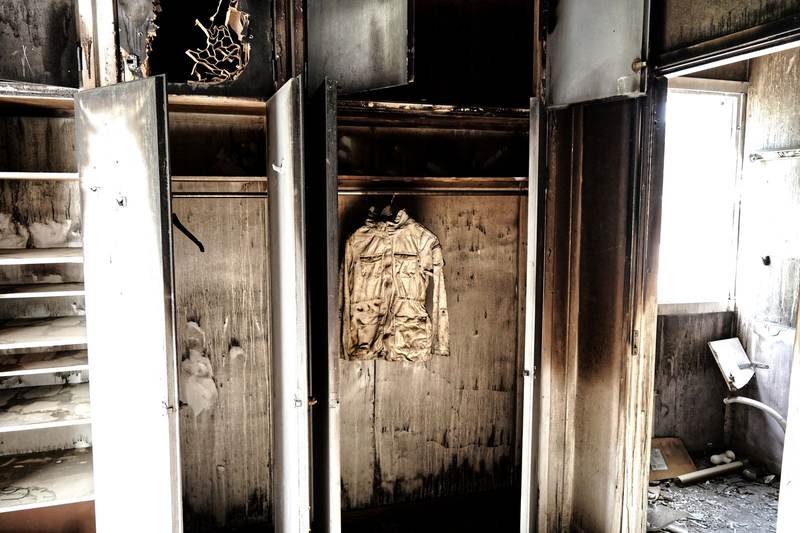
Smoke drifts far beyond the burned room, leaving an acidic soot film on every surface it touches. This service cleans everything the smoke reached.
Learn More →
Hose water soaks into floors, ceilings and insulation, and it keeps doing damage if it is left. It is extracted and dried until readings confirm it.
Learn More →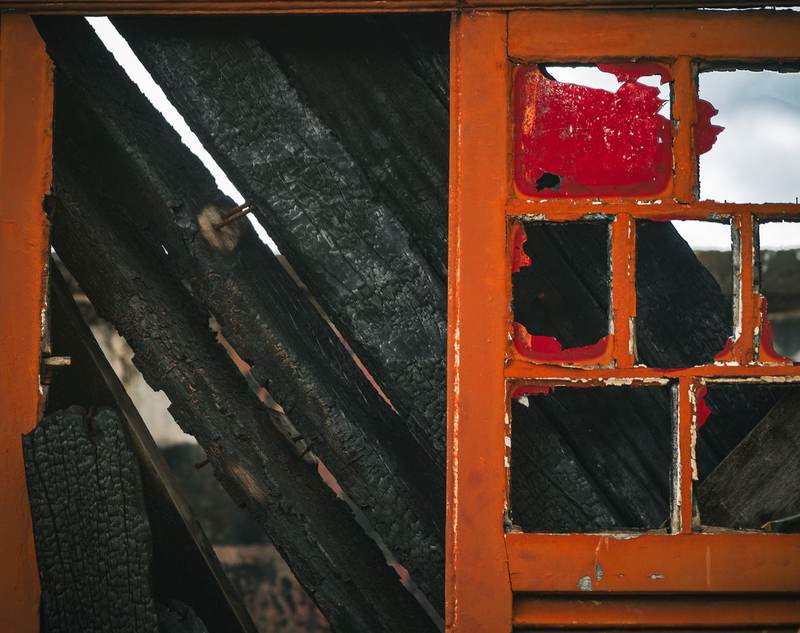
Where flame and heat damaged the bones of the house — drywall, floors, roof timbers, ceilings, wiring — repair puts it back room by room.
Learn More →Plain guides that explain the work behind this service, so you know what to expect before the provider arrives.
Board-up after a fire in Coachella — first steps to secure your home, what the provider boards and tarps, and why an open house costs more.
Read Article →Water damage after firefighting in Coachella — why the hoses leave water behind, how the drying works, and what the readings say.
Read Article →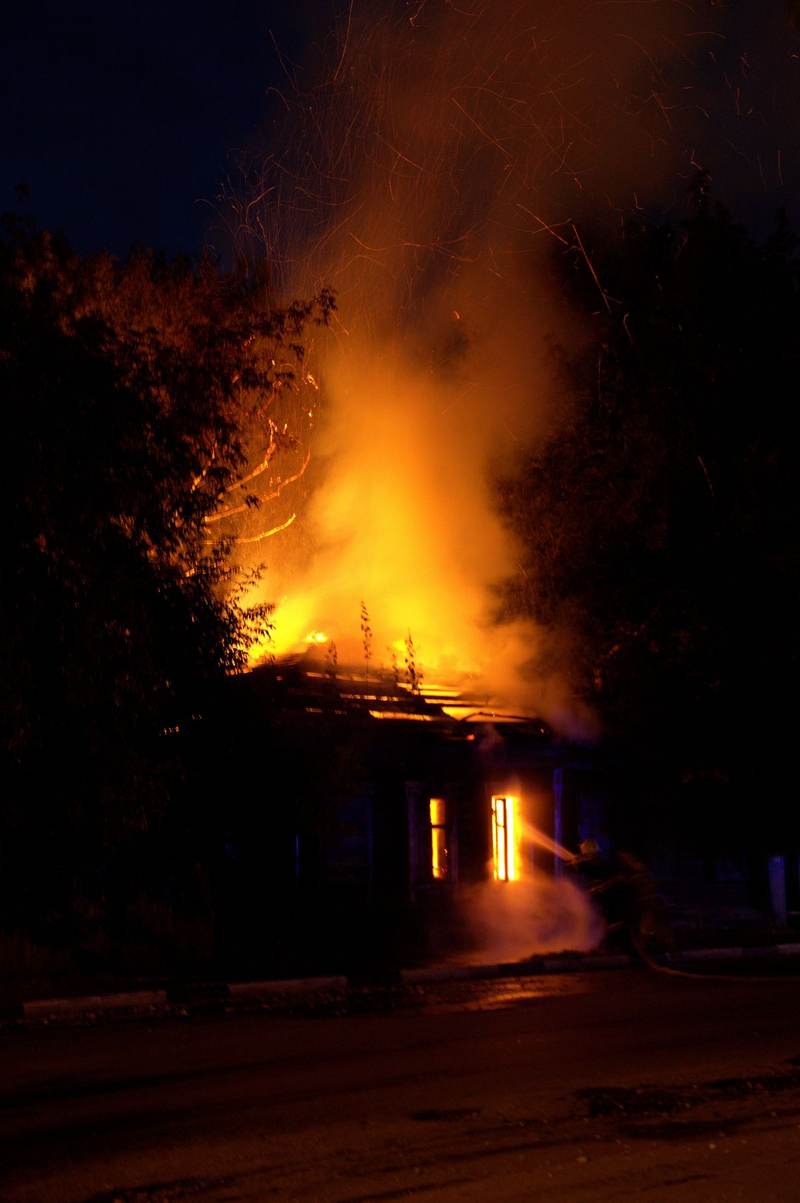
The first hours after a house fire decide how much can be saved. Get safe, call 911, photograph everything, and call a local provider.
Read Article →Back to the Coachella fire damage home page for the full list of services.
Usually on the first visit, the same day the provider is called. The call decides what boards and tarps are loaded, so describe the openings — which windows and doors are broken, and whether the roof is open — and the provider arrives ready to secure the property.
It is better not to climb on a damaged roof, and not to enter a room with a sagging ceiling to reach a window. If you can safely cover an opening from outside, do so — but the provider's boarding is measured, photographed and fixed to hold, and the record matters for the claim.
That depends on your policy, and whether the loss is covered is your insurer's decision. Keep the record: the photographs taken before anything was covered, and the list of what was secured. Board-up is part of preventing further damage, which insurers expect.
Until the repair is done. The boards stay on the windows and doors, and the tarps stay on the roof, while the cleanup and drying happen and the repair is planned. The provider will say plainly how long that is likely to be.
The provider will say so plainly and talk through what is needed instead — temporary fencing, extra securing, or a different approach to making the property weathertight. A damaged roof is dangerous to climb on, and the provider will not risk it.
Call to describe the fire damage restoration and get connected with a local provider.
(561) 566-7293