Coachella, CA & Riverside County
What to Do After a House Fire in Coachella, CA
A house fire in the Coachella Valley leaves a second kind of damage behind it — soot baked into the walls by the valley heat, water soaking into the floors, and a house that is open to the wind. The hours after the fire decide how much can be saved.
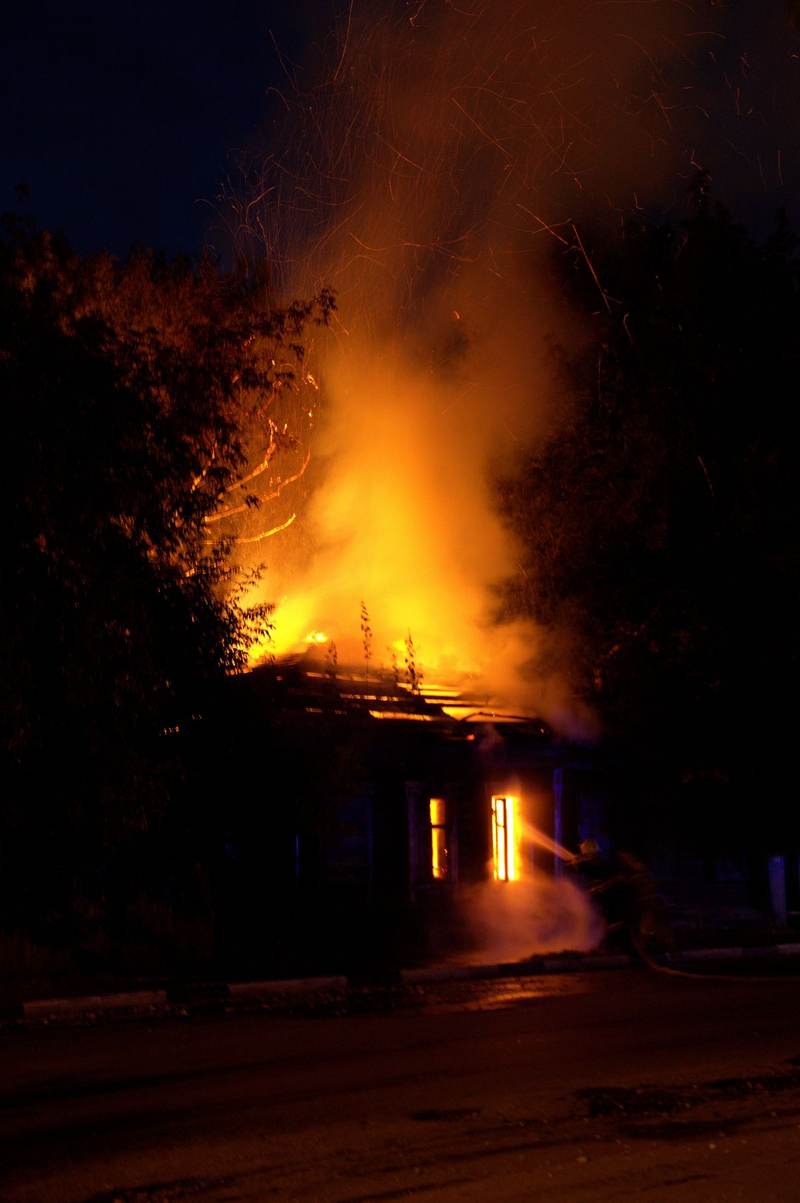
A fire in a Coachella home does not end when the flames go out. The soot is still settling, the water from the hoses is still soaking in, and the valley heat is baking the soot into the walls and the attic. The hours after the fire are when the most damage is done — not by the flames, which are out, but by what happens next. This guide explains what to do in those hours, and in what order, so the loss does not grow.
The order matters more than the speed. Getting out comes first, and it is the only thing that cannot wait. Photographing comes second, because the photographs are the record the insurer reads. Securing the house comes third, because an open house lets in the rain, the animals and the intruders. Cleaning comes last, and it comes after the provider arrives — because cleaning in the wrong order pushes the soot deeper and leaves the smell behind.
Get Out First, Everything Else Second
The first thing is the only thing: get everyone out of the house and call 911 from outside. Do not stop for belongings, for pets, for paperwork, for anything. A house fire moves faster than people expect — the smoke fills the rooms, the heat rises, and the air becomes unbreathable long before the flames reach you. If anyone is missing, tell the firefighters when they arrive; do not go back in to look for them yourself.
Call 911 from outside the house, from a neighbour's phone if yours is inside. Say the address clearly — in Coachella, that means the street and the nearest cross-street, because the firefighters need to find the house fast — and say whether anyone is still inside. Stay outside until the fire officials say it is safe to go back in, even if the fire looks out. A fire can rekindle in a wall cavity or an attic hours after it looks finished, and the officials are the ones who decide when the house is safe.
Once you are outside, account for everyone — people and pets — and move to a spot that is upwind of the smoke and clear of the driveway, so the fire trucks can get in. If a pet is still inside, tell the firefighters; they have breathing equipment and know the house better than you do in the dark. Do not go back in for a phone, a wallet or a laptop, and do not try to move a car that is parked in the garage.
Stay Out Until the Fire Department Says Otherwise
It is hard to stand outside your own house and do nothing, and it is the right thing to do. The inside of a house after a fire is dangerous in ways that are not obvious: floors that have been weakened by heat and water, ceilings that can come down, wiring that has been damaged and can still be live, and air that is full of soot particles. Children and pets are the most vulnerable, and they should be kept well away from the house until the officials say otherwise.
The dangers are not always visible. A ceiling can look intact and still be ready to come down, a floor can look solid and still be weakened underneath, and the air can look clear and still carry fine soot particles that irritate the lungs. If you need medication, documents or something else from inside, ask the firefighters — they can sometimes bring out small items, and they know what is safe to enter and what is not.
Do not let anyone — family, friends or neighbours — enter to look around. The curiosity can wait; the safety cannot. If the fire department has not yet cleared the home, treat every room as unsafe, and do not try to rescue belongings yourself. A fire extinguisher is for a fire you can put out in seconds, in a room you can leave in seconds. Anything bigger is the firefighters' job, and your job is to be outside, safe, and able to tell them what happened.
The Photographs Are the Claim
Once the fire is out and the officials say it is safe to enter, the first job is not cleaning — it is photographing. Walk through the house with your phone and photograph every room, every damaged item, and every surface, before anything is moved or cleaned. Photograph the rooms that look untouched too, because smoke travels further than flames, and a room that looks clean can still carry a fine soot film and a smell that matters for the claim.
Take a video walkthrough as well as photographs, and narrate as you go — which room it is, what you are seeing, what the fire touched. Photograph the outside of the house too: broken windows, roof damage, water stains on the walls, the yard where the hoses ran. Photograph the contents where they sit, before they are packed out, and photograph anything that has to be thrown away before it goes. What feels like rubbish on the first day is often the evidence the claim needs on the thirtieth.
Keep the originals and a backup copy, and keep the file together — the photographs, the inventory, the claim number, the receipts, and the names and numbers of everyone you speak to. The photographs are the record your insurer will read, and the record the provider works from — the damage as it was, not as it was after the cleanup started. A room that is cleaned before it is photographed is a room the claim cannot see.
Keep the House Closed and the Power Off
A fire-damaged house is an open house: broken windows, damaged doors, holes in the roof. Every opening lets in rain, animals and intruders, and every day it stays open the loss grows. In the Coachella Valley the next rainstorm is often the same week as the fire, and a roof that is left open is a roof that lets the rain in on top of the fire damage. The provider boards up windows and doors and tarps damaged roof sections, usually on the first visit, so the home is weathertight while the rest of the job is planned.
Insurers expect a homeowner to take reasonable steps to prevent further damage after a fire, and an unsecured property is a problem for the claim as well as for the house. The provider photographs the openings before they are covered, and keeps a record of what was boarded and when, so the file shows the home was protected promptly. If the damage is extensive, the provider will say so plainly and talk through what temporary fencing or extra securing is needed.
Do not switch the power back on, do not turn on the air conditioning, and do not use any electrical appliance that was in the fire — soot is corrosive to circuits, and a device that looks fine can fail weeks later. Do not eat food that was exposed to smoke or firefighting water, and do not drink from taps until the water supply has been checked. If the provider has not arrived yet and you can safely cover an opening from outside, do so — but do not climb on a damaged roof, and do not enter a room with a sagging ceiling to reach a window.
Leave the Soot Alone
It is natural to want to start cleaning, and it is the worst thing you can do in the first hours. Soot is acidic and oily, and wiping it with water or a household cleaner smears it across the surface and drives it into paint and plaster, where it sets as a stain. Dry methods come first — dry-chemical sponges and HEPA vacuuming — and those are the provider's tools, not household ones. Do not sweep soot, do not dust it, and do not run a household vacuum over it, because all of those spread fine particles into the air.
The valley heat makes it worse. A Coachella attic in summer is one of the hottest places in the house, and the soot that settles there is baked into the plaster and the timber within hours. A surface that is cleaned on the first day can often be kept, and a surface that is left for a week may need replacing — and the difference is the heat. The provider starts with the dry pass, and the dry pass is slow, because it is the part that stops the soot from setting as a stain.
Do not throw anything away without photographing it first. The cleaning starts when the provider arrives, and it starts with an assessment, not with a mop. The provider photographs the damage, maps the smoke and the water, tests the soot, and reads the moisture on the first visit, and the scope is built from that map — what is cleaned, what is dried, what is removed, and what is rebuilt.
What to Do After a House Fire, in Order
- Get out and call 911 — Everyone out, pets included. Call from outside and stay out until fire officials say it is safe.
- Photograph the damage — Photograph every room before anything is moved, cleaned or thrown away.
- Keep the home closed — Close the doors to rooms that are damaged, and do not run the air conditioning until the ducts are checked.
- Call the provider — Call (561) 566-7293 and describe the fire — the room, the smoke, the water, the openings.
- Start the file — Keep the photographs, the claim number and every receipt in one place from day one.
Mistakes to Avoid After a House Fire
- Going back in for belongings before the fire department clears the home
- Wiping soot with water or a household cleaner
- Switching the power back on before the wiring is checked
- Running the air conditioning, which pushes soot through the ducts
- Throwing damaged items away before they are photographed and listed
For help with this in Coachella, see Emergency Board-Up & Roof Tarping in Coachella — or go back to the Coachella fire damage restoration home page.
Frequently Asked Questions
What should I do first after a house fire?
Get everyone out and call 911 from outside. Stay out until fire officials say it is safe to go back in. Then photograph the damage before anything is moved, and call (561) 566-7293.
Can I go back in for my belongings?
Not until the fire department says it is safe. A home that looks intact can hold weakened floors, damaged wiring and air that is still full of smoke.
Should I start cleaning the soot?
No. Wiping soot with water or a household cleaner smears it and drives it into the surface. Leave it, photograph it, and let the dry pass happen first.
What do I tell the provider on the call?
Which room the fire started in, how far the smoke went, whether the fire is fully out, and what now looks wet, blackened or scorched. Those four facts shape the first visit.