Electrical Fire Causes & Prevention in Coachella
Electrical fire causes and prevention in Coachella — what starts them, the warning signs to watch for, and what the provider checks.
Read Article →Coachella, CA & Riverside County
Electrical fires start inside walls and panels — where they cannot be seen until they are already burning. Call (561) 566-7293 and say what happened: a burning smell, a tripped breaker, a socket that sparked. Do not switch the power back on. The system must be inspected first, and the inspection decides what can be trusted and what must be replaced.
An electrical fire does not start with a flame you can see. It starts inside a wall, inside a panel, or inside a socket — a loose connection heating up, a wire that has been nicked, an overloaded circuit that has been running hot for months. The first sign is often a smell, or a breaker that trips, or a socket that is warm to the touch. By the time there is a flame, the fire has already been burning inside the wall, and the damage is not just the room that burned — it is the wiring that runs through the whole home.
Electrical fire repair is a safety job before it is a repair job. The power stays off until the system has been inspected, because a wire that has been through a fire cannot be trusted, and a panel that has been through a fire cannot be trusted either. The provider works with a licensed electrician, who inspects the panel and the wiring, identifies what caused the fire, and scopes the rewiring — what must be replaced, what can be kept, and what must be checked before anything is switched back on. No circuit is re-energised on a guess.
The work starts with the panel. The provider and the electrician inspect the panel first — the breakers, the bus bars, the connections — because the panel is where the fire often starts and where the damage is worst. Then the wiring is traced, circuit by circuit, through the rooms the fire touched and the rooms around them, because heat travels along the wiring and a wire that looks sound from outside can be damaged inside its insulation.
The cause is identified, not assumed. An arc fault, a loose connection, an overloaded circuit, a wire damaged by age or by pests — each one leaves a different mark, and the mark decides what must change so the fire does not happen again. Then the rewiring is scoped: what must be replaced, what can be kept, and what must be checked before the power comes back on. The repair is done to the standard the permit requires, and the system is tested before it is re-energised — every circuit, not just the ones that were in the fire.
Coachella's older homes are where electrical fires start most often. The farmworker housing and the small homes on the east side were wired decades ago, and the wiring has lived through many long, hot summers — insulation that has gone brittle, connections that have loosened, panels that were never meant to carry what a modern home asks of them. An older panel with a modern load is a fire waiting for a reason, and the provider checks the panel first, because that is where the fire usually starts.
The newer subdivisions are wired to a modern standard, but they are not immune. Air conditioning runs hard through the valley's summers, and the load on the circuits is high for months at a time. A connection that is slightly loose will heat up under that load, and the heat builds over weeks until something gives. The provider traces the wiring circuit by circuit, because the fire's origin is often not the room that burned — it is the connection that was heating up for months before the fire started.
The first visit is inspection, and the power stays off. The provider and the electrician inspect the panel and trace the wiring, and the findings are written down and photographed — because the record is what the insurer reads, and a wire that was replaced without being photographed is a wire the claim cannot see. The cause is identified, and the rewiring is scoped before anything is replaced, so there are no surprises halfway through.
Repair itself runs in order: the panel first, then the wiring, then the testing — every circuit, not just the ones that were in the fire. The provider will tell you what stage the job is in and what comes next, at every visit, and will not switch the power back on until the system has been tested. The job is finished when the system is safe and the record is complete, not when the lights come back on.
The power stays off until the system is inspected. No circuit is re-energised on a guess.
Fire Damage Restoration work rarely stands alone. These services run alongside this one on most Coachella jobs.
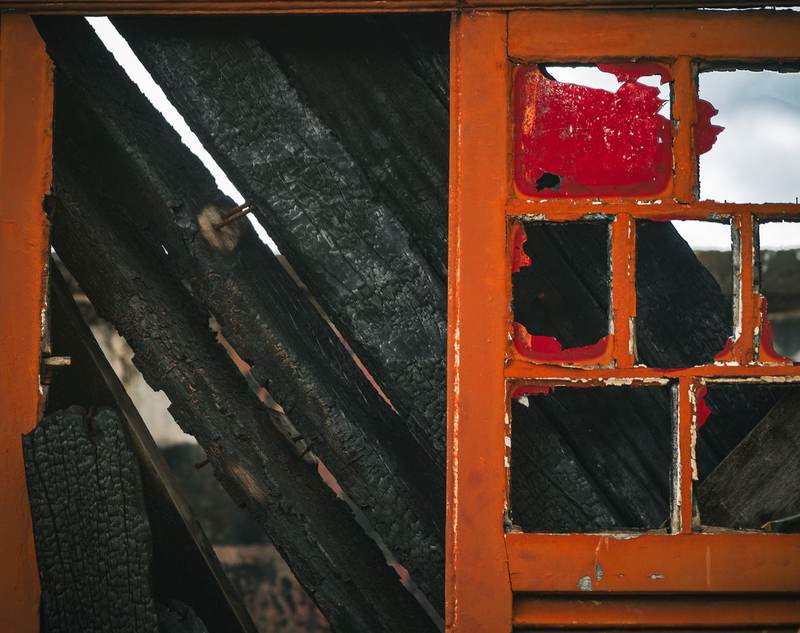
Where flame and heat damaged the bones of the house — drywall, floors, roof timbers, ceilings, wiring — repair puts it back room by room.
Learn More →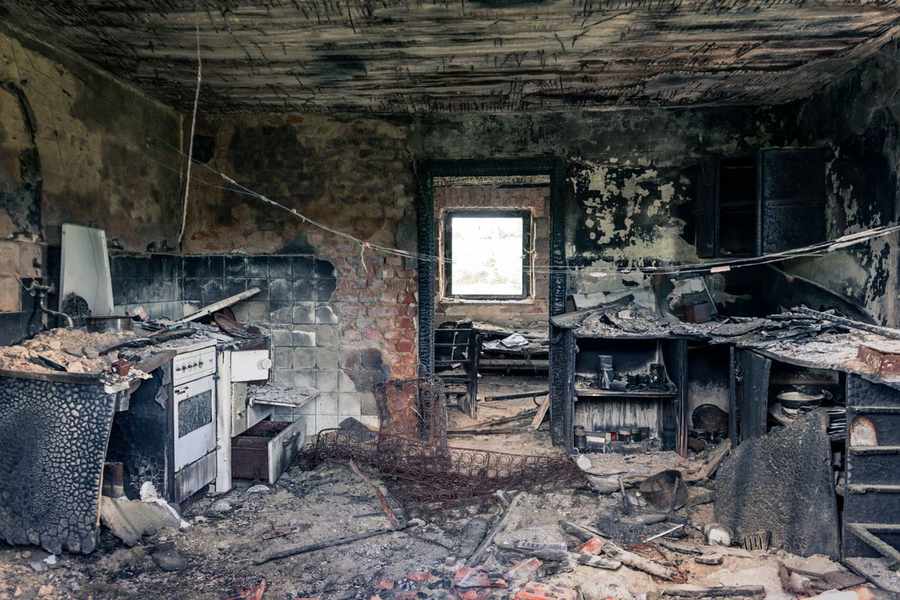
Kitchen fires are the most common house fires. Stove and grease fires, cabinet and countertop damage, appliance assessment, and rebuilding a usable kitchen.
Learn More →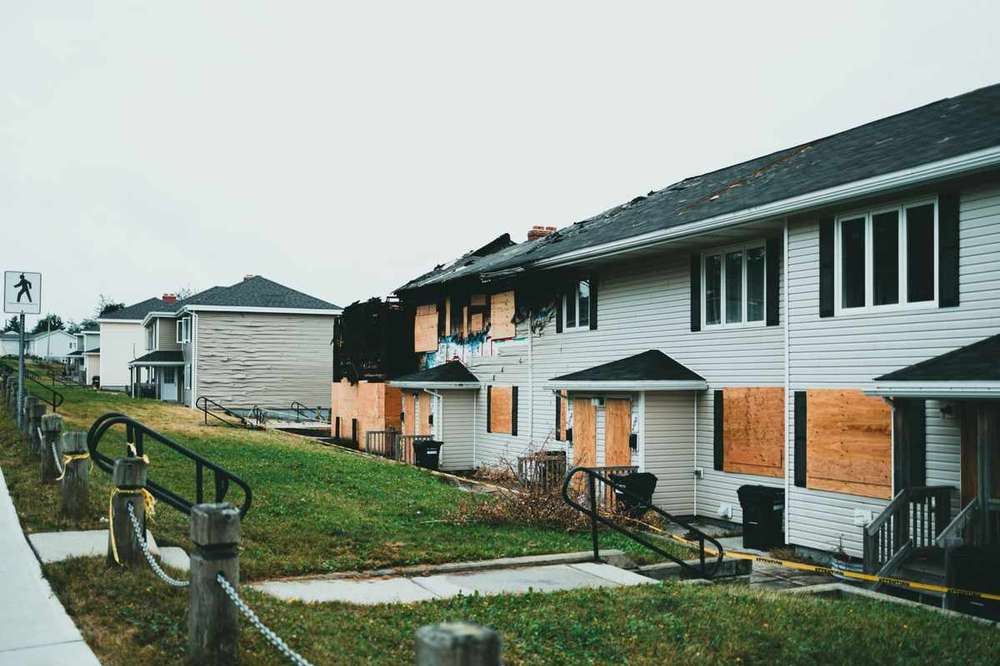
Broken windows and doors are boarded up and damaged roof sections are tarped, usually on the first visit, so the home is weathertight.
Learn More →Plain guides that explain the work behind this service, so you know what to expect before the provider arrives.
Electrical fire causes and prevention in Coachella — what starts them, the warning signs to watch for, and what the provider checks.
Read Article →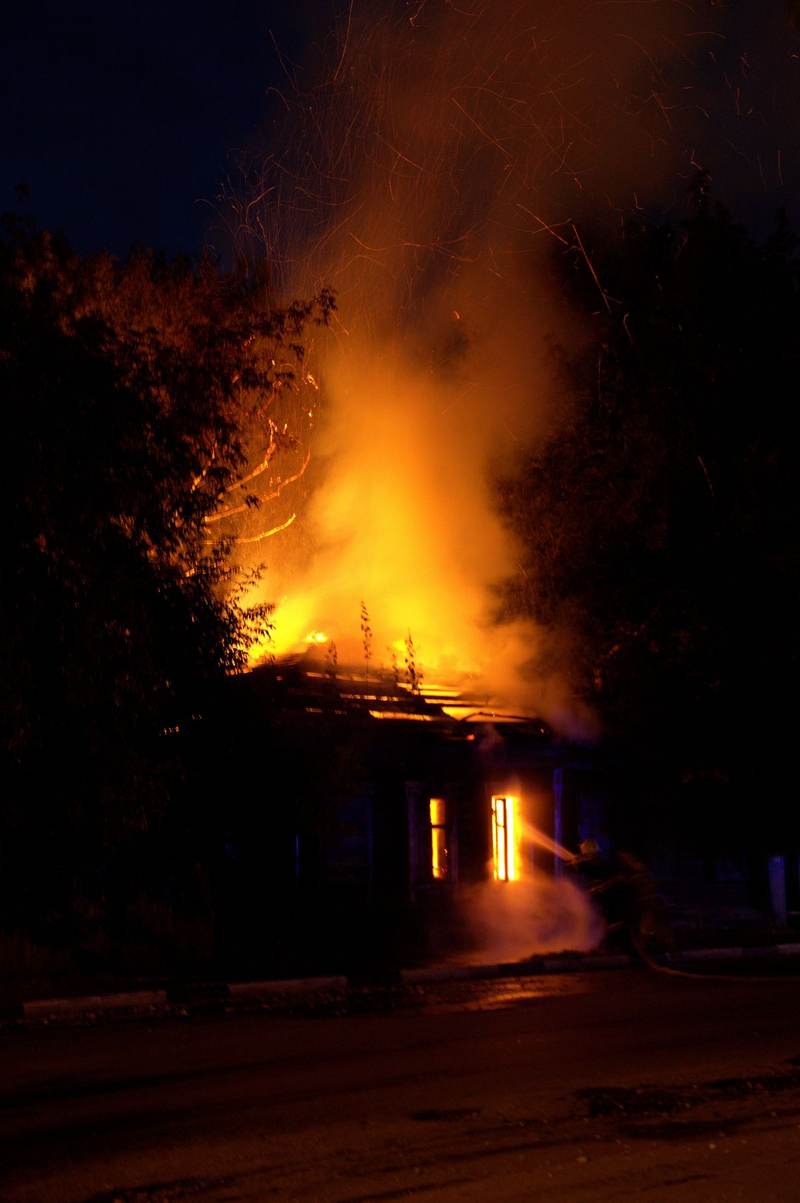
The first hours after a house fire decide how much can be saved. Get safe, call 911, photograph everything, and call a local provider.
Read Article →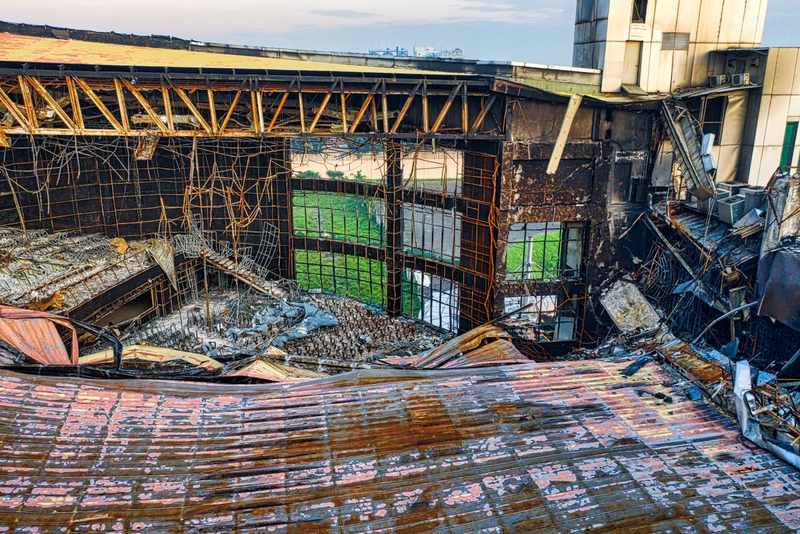
How to document fire damage for insurance in Coachella — photograph the scene, list the contents, and keep the file together.
Read Article →Back to the Coachella fire damage home page for the full list of services.
No. Do not switch the power back on after an electrical fire. The system must be inspected first — the panel and the wiring — because a wire that has been through a fire cannot be trusted, and a panel that has been through a fire cannot be trusted either.
Most often a loose connection heating up, an overloaded circuit, an arc fault, or wiring that has aged until its insulation is brittle. Each one leaves a different mark, and the electrician identifies the cause from the mark, so the repair fixes the cause and not just the damage.
Not always. The wiring is traced circuit by circuit, and what must be replaced is replaced — the circuits that ran through the fire, and any wire whose insulation is damaged. Wiring that is sound can be kept, and the provider will say which is which after the inspection.
It depends on how much wiring was affected and whether the panel needs replacing. A single circuit can be repaired in days; a whole-home rewiring takes far longer. The provider will say plainly what stage the job is in and what comes next.
That depends on your policy and on what caused the fire. Keep the record: the photographs, the electrician's findings, and the list of what was replaced. Whether a loss is covered is your insurer's decision, not the provider's.
Call to describe the fire damage restoration and get connected with a local provider.
(561) 566-7293